
Why the UK Is Losing Its Luxury Shoppers — and How to Get Them Back
Can reinstating VAT-free shopping revive the UK’s luxury retail sector?
Yes, reinstating VAT-free shopping for international tourists is the most urgent and cost-effective way to restore the UK’s competitiveness in global luxury retail.
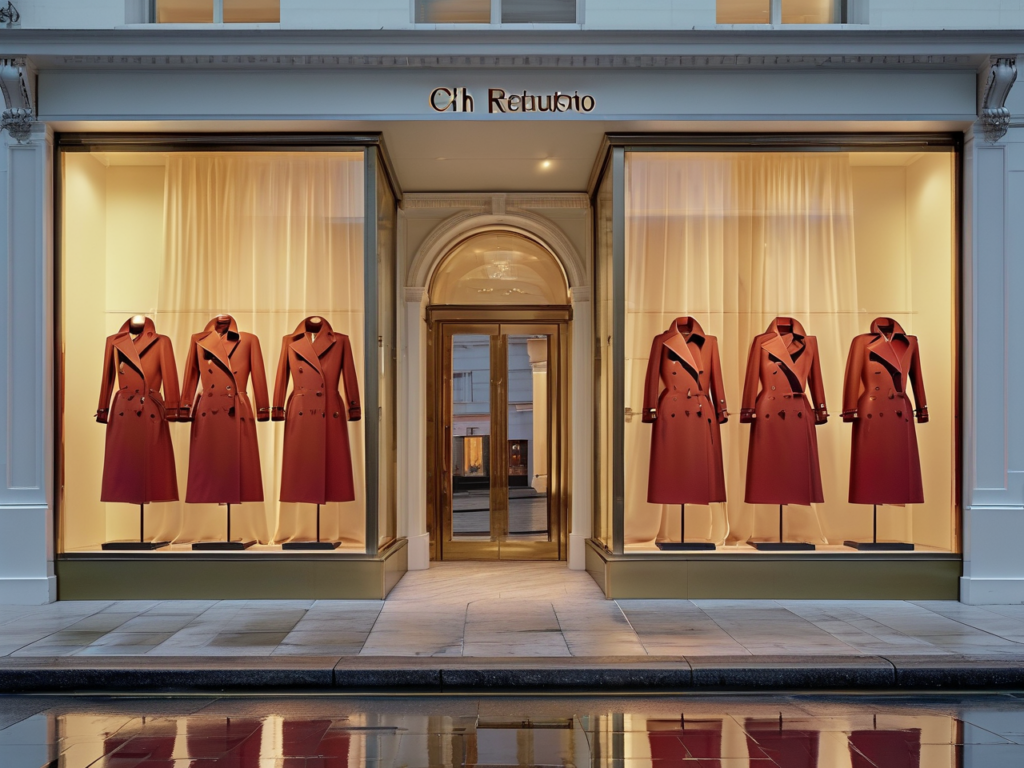
The removal of VAT refunds in 2021 didn’t just reduce sales — it fundamentally altered consumer behaviour. Luxury shoppers who once flocked to London for Burberry coats, Harrods beauty sets, and Savile Row tailoring now bypass the UK entirely, heading to Paris, Milan, and Madrid where they can reclaim 20% of their spend. According to Global Blue, affluent visitors spent an average of €18,350 per person in Paris during Couture Week 2025 — a figure the UK cannot match without a comparable incentive. Meanwhile, UK tourists are now crossing the Channel to shop tax-free in Europe, creating a one-way economic leak. Walpole estimates the luxury sector could grow from £81bn to £125bn annually if this barrier is removed, supporting hundreds of thousands of jobs from Manchester workshops to Edinburgh salons.
How does the absence of VAT refunds impact more than just fashion stores?
The economic damage extends far beyond boutique windows — it ripples through hospitality, beauty services, transport, and even the arts.
- Beauty & Spa Sector: High-spending Asian tourists, who typically spend 3x more on premium skincare and cosmetics than local buyers, now choose Paris over London due to tax rebates.
- Local Services: Fewer luxury visitors mean fewer bookings at five-star spas, reduced demand for hair and nail salons, and lower ticket sales for West End theatres and galleries.
- Manufacturing: With up to 10% revenue loss for some UK-based brands, production hubs in the Midlands and North are considering relocation overseas to cut costs.
- Airports: Heathrow lost over 98% of its VAT refund processing volume, making its retail offerings 20% less competitive overnight.
The British Beauty Council warns that 95% of UK beauty SMEs are now struggling with export delays and customs friction — compounding the loss of tourist spend. This isn’t merely a retail issue; it’s a systemic threat to Britain’s cultural and economic ecosystem.
Why are European cities outperforming London despite similar creative clout?
Paris, Milan, and Madrid don’t just host fashion weeks — they actively monetise them through strategic tax incentives.
| City | VAT Refund Policy | Spending Increase During Fashion Week 2025 | Visitor Spending Per Capita (Luxury) |
|---|---|---|---|
| Paris | Active VAT refund scheme | +20% retail surge | €2,680 (avg), €18,350 (UHNWIs) |
| Milan | Active VAT refund scheme | +18% retail surge | €2,450 (avg) |
| London | No VAT refund scheme | -12% vs 2019 | £1,890 (avg, estimated) |
| Madrid | Active VAT refund scheme | +22% retail surge | €2,200 (avg) |
London may host London Fashion Week and the BAFTAs — events that draw global creatives — but without a tax refund mechanism, these events become purely cultural showcases with little commercial return. The British Fashion Council notes that while London leads in creative influence, it lags in commercial conversion. In contrast, Paris integrates tax-free shopping into its fashion week marketing campaigns, turning runway shows into direct sales drivers.
What’s the counter-argument — and why it doesn’t hold up
Some Treasury officials argue that VAT refunds would cost the UK public finances, but evidence suggests the opposite.
Oxford Economics’ 2023 analysis found that reinstating VAT-free shopping could be cost-neutral or revenue-positive due to increased spending in ancillary sectors: hotels, transport, dining, and entertainment. For every £1 lost in VAT, the Treasury could gain £1.30 in income tax, National Insurance, and business rates from expanded employment and higher consumer activity. Meanwhile, countries like Germany and Sweden — which maintain robust export refund schemes — report higher tourism receipts and job growth.
The real cost lies in inaction: UK luxury exports to the EU are 43% below pre-Brexit projections, and SMEs are being forced to relocate production. The UK isn’t losing shoppers because they don’t want to come — it’s losing them because the system makes it harder, not easier, to spend here.
What’s the path forward — and who must act?
The solution is clear: reintroduce a modern, digitally streamlined VAT retail export scheme within 12 months.
Key steps include:
- Partner with Global Blue and Planet Payment to create a seamless digital refund system at airports, train stations, and flagship stores.
- Launch a joint campaign with VisitBritain and Walpole: “Shop UK. Save 20%.” — targeting Asia, the Middle East, and North America.
- Extend benefits to beauty, automotive, and hospitality sectors — not just fashion.
- Offer SMEs grants to upgrade point-of-sale systems for instant refund processing.
Pressure from industry bodies like Walpole, the British Fashion Council, and the British Beauty Council is mounting. The government must treat this not as a fiscal footnote, but as a national economic priority.



No Comments